Why are vibrators celebrated as self-care while men's intimate products remain shrouded in shame? This gap isn't about the products—it's about decades of cultural storytelling.
Let's start with a simple thought experiment. Picture two nightstands.
On one sits a sleek, rose gold vibrator. Its owner mentions it casually at brunch, leaves reviews under her real name, and charges it next to her electric toothbrush. It's just another wellness gadget.
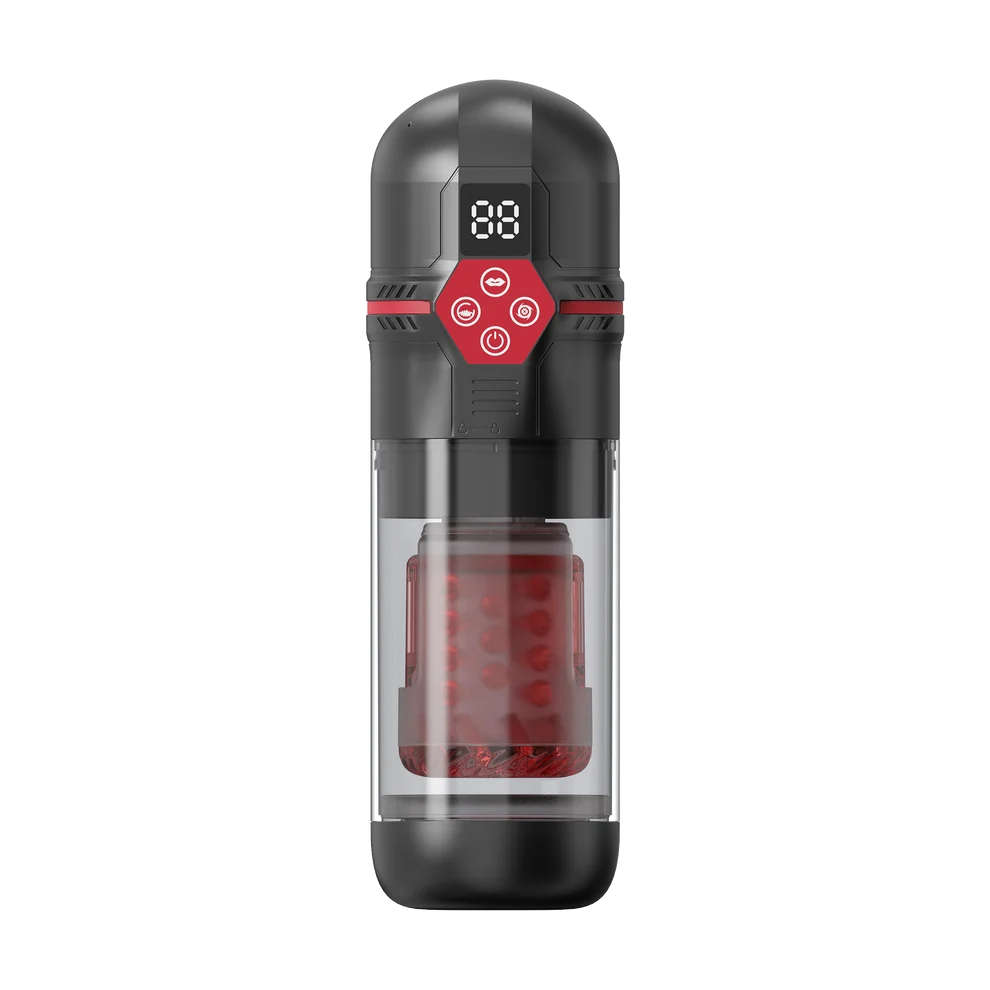
On the other nightstand, buried deep under old phone chargers, there's a male stroker. Its owner has never mentioned it to anyone. He'd sooner throw it out than risk a partner finding it.
Same category. Same basic purpose. Completely different social rules.
That gap isn't about the products themselves. It's about a story we've been telling for decades about men, women, and pleasure. And it's time we pulled that story apart.
### How Vibrators Became Mainstream
Vibrators didn't always live in the daylight. For most of the 20th century, you found them in the back pages of magazines, wrapped in euphemisms about 'personal massage.' What changed was a deliberate, decades-long rebrand.
A pivotal moment came in 1998 with the famous *Sex and the City* rabbit episode. Suddenly, a vibrator was on primetime TV as something aspirational—not shameful. Sex educators and feminist retailers reframed women's pleasure as self-care and empowerment.
Design-led brands created toys that looked like modern art instead of anatomy. Mainstream retailers followed the money. Now, you can buy a vibrator at the same store where you get your vitamins.
The result? A woman who owns a vibrator is seen as someone who knows what she likes. The marketing, media, and packaging all agree with her.
### The Lonely Aisle for Men
Men's products never got that glow-up. Instead, they got *American Pie*. For years, the cultural reference points for male toys were punchlines about desperation and loneliness.
Where a vibrator signals self-knowledge, a male toy was framed to signal failure. The underlying logic paints a bleak picture of male sexuality.
- Men's pleasure is assumed to be simple, automatic, and needing no tools.
- Women's pleasure gets framed as complex, worthy of exploration and investment.
- This tells men their sexuality deserves zero curiosity.
It keeps genuinely good products hidden in drawers, despite real interest. Industry surveys show men buy and use toys at rates much closer to women than the public conversation suggests. Search data reveals steady, global demand. The interest is there—the acceptance isn't.
### The Proof That It Doesn't Have to Be This Way
If this stigma were natural or inevitable, it would be universal. It's not. Japan offers a clear counterpoint.
In 2005, former car salesman Koichi Matsumoto founded Tenga. His mission was activist in nature: to bring masturbation 'to the forefront,' to make it something discussed and designed for openly.
Tenga products broke the mold. The original Tenga Cup looked like something from Muji or Apple—clean typography, zero anatomical imagery. The design itself was the argument: *this is a normal product for a normal human activity*.
And it worked. Tenga has sold well over 100 million items worldwide. They collaborate with artists and fashion brands. In Japan, these products sit openly on mainstream retail shelves next to skincare and electronics.
Japan didn't eliminate a universal shame. It simply never agreed to attach that shame to a well-designed product. The market responded accordingly.
As one industry observer noted, the lesson is clear: 'The stigma gap is cultural, not biological. Change the design, the language, and the shelf, and you change the meaning.'
We're left wondering when the narrative will shift elsewhere. When will a male-focused product be seen not as a secret, but as a legitimate part of self-care? The consumer interest is proven. The cultural blueprint exists. The gap remains a choice, not a inevitability.