Judge Dismisses Most of Blake Lively's Harassment Claims
Dr. Elena Janssen ·
Listen to this article~5 min
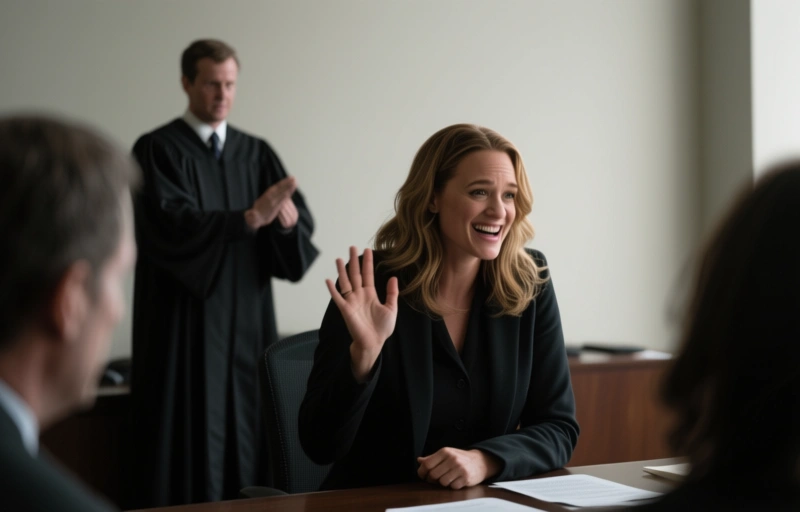
A federal judge dismissed 10 of 13 claims in Blake Lively's sexual harassment lawsuit against Justin Baldoni, but allowed three claims to proceed, narrowing the high-profile legal battle.
Let's talk about a major development in Hollywood that just landed. A federal judge made a significant ruling on Thursday, and it's got everyone talking. He dismissed the bulk of Blake Lively's sexual harassment lawsuit against Justin Baldoni, her director and co-star from "It Ends With Us." This isn't just a minor legal footnote—it's a 152-page decision that reshapes the entire case.
U.S. District Judge Lewis J. Liman didn't hold back. He tossed out a whopping 10 of the 13 claims Lively had filed. That's a huge chunk of the lawsuit gone in one ruling. The dismissed claims covered serious allegations like harassment, defamation, and even conspiracy. It's a big win for Baldoni's legal team, at least for now.
But here's the crucial part—the case isn't over. The judge allowed three other claims to proceed. We don't have the full details on which ones survived, but that means this story is far from finished. The legal battle will continue, just on a much narrower battlefield. It's a reminder that these cases are rarely black and white.
### What This Ruling Means for the Case
Think of it like a tree being pruned. The judge cut away the weaker branches, but the core trunk of the lawsuit is still standing. Those three remaining claims are what the entire case now hinges on. They'll be the focus of all future hearings, depositions, and potentially a trial. The scope has been dramatically reduced, which changes the strategy for both sides completely.
For Lively's team, it means consolidating their efforts. They have to prove those specific, surviving allegations beyond a reasonable doubt. For Baldoni's defense, the goal is now to chip away at those final three claims. The pressure is immense on both sides, but the playing field has been fundamentally altered.
### The Context of Hollywood Legal Battles
This case didn't happen in a vacuum. We've seen a wave of similar lawsuits in recent years, especially post-#MeToo. The entertainment industry has been grappling with how to handle these allegations, both in the court of public opinion and in actual courtrooms. This ruling sends a signal about the legal thresholds required for such cases to move forward.
It's important to remember that a dismissal doesn't necessarily mean the allegations are false. It means, in the judge's view, they didn't meet the specific legal standards required for those particular claims at this stage. The law has very precise definitions for terms like harassment and defamation. Proving them is often harder than people realize.
Here are some key points about what this kind of ruling involves:
- A detailed review of factual allegations
- Application of complex state and federal laws
- Assessment of whether claims can proceed to discovery or trial
- Consideration of precedents from similar cases
### The Human Element Behind the Headlines
Let's not forget there are real people here. Beyond the celebrity names and legal jargon, this is about a professional relationship that allegedly went very wrong. The personal and career ramifications are huge, no matter the final outcome. The stress of a public lawsuit is immense, and the scrutiny is relentless.
As one legal observer recently noted, "High-profile cases like this often become about more than just the law. They become narratives about power, accountability, and the cost of speaking out." That's the backdrop against which every motion and ruling is read.
### What Happens Next in the Legal Process
So where do we go from here? The case enters a new phase focused on those three remaining claims. Both legal teams will dive into discovery—gathering evidence, taking depositions, and filing new motions. It's a slow, meticulous process that could take months or even years before any potential trial.
There's also always the possibility of a settlement. Many cases like this never see a courtroom jury. The parties might decide to resolve it privately, especially now that the claims have been narrowed. But if they don't, we're in for a long haul of legal maneuvers and hearings.
The bottom line? Thursday's ruling was a major setback for Lively's lawsuit, but it wasn't a knockout punch. The fight continues, just on different terms. We'll be watching closely to see how those three surviving claims develop and what they reveal about what really happened on that set. This story is still being written, one legal filing at a time.