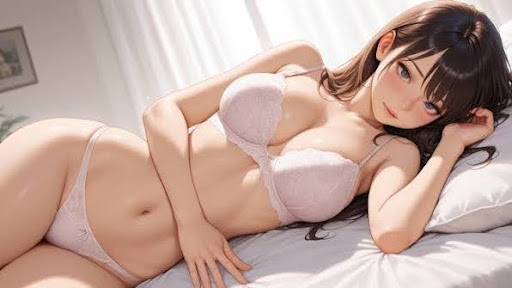
Discover how AI is transforming anime-inspired art, from generating visual options to refining color, lighting, and character design. A must-read for creators in 2026.
### The Old Way vs. The New Way
Remember when creating anime-style art meant hours of sketching, refining, and second-guessing every line? Traditionally, it was a tangled process of defining characters, composition, storytelling, and art direction. You'd start with a rough idea and spend weeks—sometimes months—nailing down the aesthetic before actually drawing anything.
Generative AI flips that on its head. Instead of locking in every visual detail upfront, you can let the platform generate multiple interpretations based on your initial input. It's like having a brainstorming partner who never sleeps. And yes, this extends to niche areas like AI Hentai, where creators experiment with adult-oriented anime aesthetics.
### Start With a Question, Not an Answer
Instead of asking "What should this image look like?" try starting with a question. What if this character stood in a rainy alley instead of a sunny meadow? How would the same scene feel at midnight versus noon? What happens when you mix a gritty cyberpunk style with a soft watercolor palette?
These questions open doors to experimentation. AI turns those possibilities into visual references, helping you decide where to take the concept next. It's not about replacing your creativity—it's about amplifying it.
### Build the Setting Before the Scene
Here's a pro tip: establish the environment first. The setting often dictates the entire mood of a project. A futuristic neighborhood feels vastly different from a mysterious underground facility or a quiet coastal village.
Once the environment is set, you can design characters, props, and events that fit naturally within it. This approach ensures a cohesive look that feels intentional, not random.
### Use Color to Set the Mood
Color is emotional shorthand. Warm tones (reds, oranges, yellows) feel inviting. Cool tones (blues, greens, purples) can feel distant or mysterious. High contrast is intense; soft palettes are calming.
AI lets you test multiple color schemes for the same concept in minutes. You can quickly see which combination best supports your story's emotional core.
### Let Lighting Tell the Story
Lighting transforms the mundane into the memorable. Daylight, twilight, harsh artificial light, deep shadows—each creates a different interpretation of the same setting.
By tweaking lighting alone, you can show how a scene's mood evolves without changing anything else. It's a powerful tool for visual storytelling.
### Design Characters Around Their Roles
Visual design shapes how believable a character feels. Clothing, accessories (like glasses), posture, facial expression—all these elements tell the viewer who that character is.
From a single glance at an outfit, you can tell if someone is an explorer, a student, a businessperson, or a leader. AI helps you iterate on these details until they click.
### Create Contrast Between Characters
Characters don't need to look alike. In fact, visual contrast—different clothes, colors, postures, or presentation styles—makes each one distinct.
Contrast also highlights relationships and conflicts. A stoic warrior in dark armor next to a cheerful mage in bright robes instantly suggests a dynamic. AI can generate these variations, helping you build a cast that feels diverse and alive.
> "AI doesn't replace the artist; it gives them a thousand brushes to try before picking the right one."
### The Bottom Line
AI is redefining anime-inspired visual creation by turning the process into a conversation. You ask, it suggests. You refine, it adapts. The result? More experimentation, faster iteration, and visuals that feel fresh. Whether you're working on a personal project or a professional production, these tools can help you push beyond the prompt and into new creative territory.