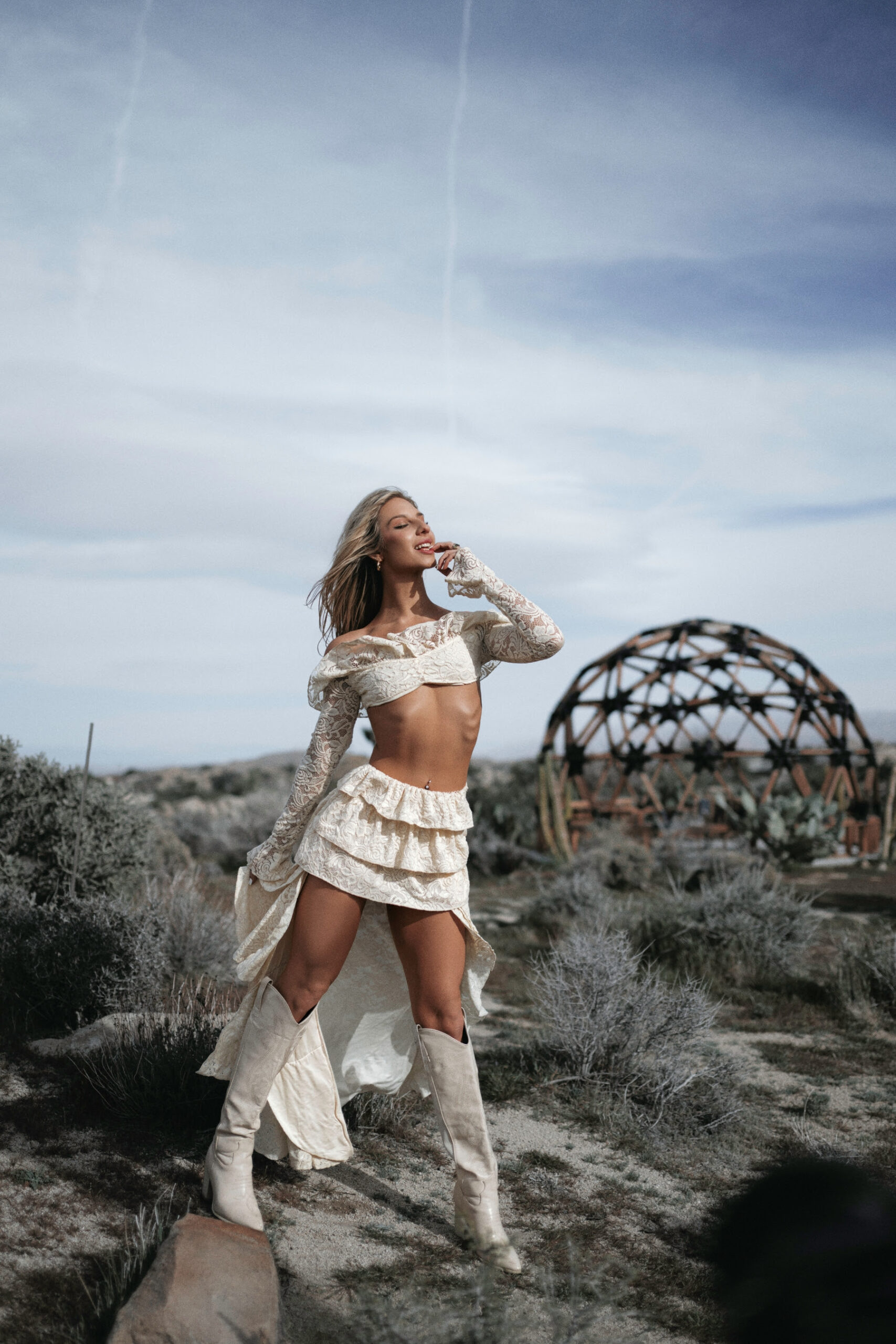
Cheerleader Kait shares how a high-spending fan impersonated a professional photographer to gain her trust, revealing the dangerous lengths obsessed fans will go to in the creator economy.
It sounded like a dream collaboration. A high-paying fan with his own studio, a glowing recommendation from a trusted friend, and the promise of professional photos that could take her content to the next level. But for Cheerleader Kait, that dream quickly turned into a waking nightmare when she discovered the man she was working with wasn't a photographer at all.
In a recent feature with the Daily Mail, Kait opens up about a terrifying encounter that highlights just how easily online admirers can manipulate their way into a creator's real life. It's a story that should make every creator think twice about who they let through the door.
### The Setup: How a Fan Gained Her Trust
Kait, a popular adult content creator, had a subscriber she'll call "JP" who was spending serious money on her OnlyFans page. He wasn't just a casual viewer; he was a big spender, the kind of fan who makes a creator's business sustainable. When he mentioned he owned a photography studio and offered to shoot content with her, it seemed like a natural next step.
But here's where the story takes a sharp turn. JP didn't just rely on his spending to win her over. He used a classic social engineering trick: the referral. He got one of Kait's industry friends to vouch for him, which immediately lowered her defenses. When someone you trust says, "Yeah, this guy is legit," you're far more likely to say yes.
### The Shoot: When Things Started to Fall Apart
The red flags started flying the moment the shoot began. Kait described the photos as "horrific." The equipment was wrong, the lighting was off, and it was clear this guy had no idea what he was doing behind a camera. It wasn't the work of a professional; it was the work of an obsessed fan who'd spent a lot of money to get close to her.
During a break, Kait made a quick call to her friend. That's when the truth came crashing down. The person she thought she was working with wasn't the photographer she'd agreed to meet. JP had been impersonating him the entire time.
> "He was pretending to be the photographer the entire time and was going along with everything I was saying, telling me everything I wanted to hear. He was just a regular fan trying to get his shot with me!"
### The Bigger Picture: Privacy Threats in the Creator Economy
Kait's story isn't just an isolated incident. It's part of a much larger conversation about the dangers creators face in the digital age. The Daily Mail feature, titled "The Real Dangers of 'Safe' OnlyFans," dives deep into how obsessed fans can cross dangerous lines. Here are some of the key risks highlighted:
- **Impersonation:** Fans pretending to be industry professionals to gain access and trust.
- **Manipulation:** Using social proof and fake referrals to bypass a creator's safety protocols.
- **Privacy Invasion:** Stalkers using simple tricks, like checking Amazon wish lists or package deliveries, to uncover a creator's physical address.
- **Blurred Boundaries:** The line between a paying fan and a real-life threat becomes dangerously thin when money is involved.
These aren't hypothetical scenarios. They're happening every day to creators who thought they were in a safe, controlled environment. The platforms may feel secure, but the people on the other side of the screen are unpredictable.
### What Creators Can Learn From This
If there's one takeaway from Kait's experience, it's that trust must be earned, not assumed. A big bankroll doesn't make someone safe. A referral doesn't make someone legitimate. And a promise of professional work doesn't guarantee professional intentions.
Creators should always verify who they're working with independently. That means checking credentials, calling the studio directly, and never relying solely on a friend's recommendation. It's also crucial to meet in public spaces first and have a support system in place for any in-person shoots.
Kait's story is a powerful reminder that in the world of online content creation, the biggest danger isn't always the platform. It's the people who use it to get too close.