Babeland & Bedsider Unite Against Sexual Health…
Dr. Elena Janssen ·
Listen to this article~4 min
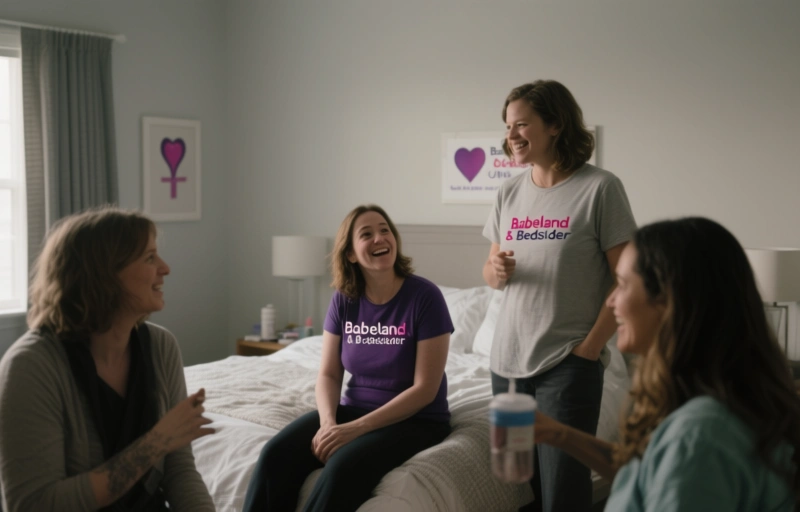
Babeland and Bedsider announce a partnership to combat the rampant spread of sexual health misinformation on social media, aiming to provide accurate, accessible information where people are seeking it most.
Let's talk about something that's been buzzing in the sexual wellness space. It's a big deal, and frankly, it's about time someone tackled it head-on.
Sexual wellness retailer Babeland and reproductive health resource Bedsider just announced a major partnership. Their goal? To fight what they're calling one of the fastest-growing problems in sexual health today. We're talking about the wildfire spread of misinformation across social media.
It makes sense when you think about it. Where do most people, especially younger folks, go for answers these days? They're scrolling through TikTok and Instagram, looking for quick advice. The problem is, not all that advice is good. Some of it is downright dangerous.
### Why This Partnership Matters Now
This collaboration isn't happening in a vacuum. There's a real need for it. We're living in an age where a 60-second video can reach millions, but a peer-reviewed study might only reach a few thousand. The scale is completely off.
Babeland brings decades of hands-on experience in sexual wellness retail and education. They've been in the trenches, talking to real people about real questions. Bedsider, on the other hand, is a powerhouse of medically accurate, accessible information on birth control and reproductive health. Together, they're a formidable team.
Their mission is clear: to create and amplify content that's not just engaging, but accurate. To be a trusted voice in a very noisy room.
### The Real-World Impact of Bad Information
Let's get specific for a moment. What kind of misinformation are we dealing with? It ranges from harmless myths to potentially harmful advice.
- Myths about contraception effectiveness that could lead to unintended pregnancies
- Dangerous "home remedies" for STI prevention or treatment
- Stigmatizing and incorrect information about sexual orientation and gender identity
- Promotion of untested or unsafe products as sexual enhancers
The consequences aren't abstract. They affect people's health, relationships, and well-being every single day.
As one insider close to the partnership put it, "We're not trying to be the fun police. We want to be the reliable friend in the corner of the internet, offering a fact-check with compassion."
That's a powerful way to look at it. It's not about shutting down conversation; it's about elevating it.
### What This Means for the Future
So, what can we expect from this alliance? The details are still emerging, but the vision is ambitious. We're likely to see a multi-pronged approach.
They'll probably focus on creating shareable, accurate content designed for the platforms where misinformation thrives. Think infographics that debunk common myths, short videos with real experts, and interactive tools that make learning about sexual health less intimidating.
They'll also likely work on training and resources for other educators and content creators. The idea is to build a network of credible voices, not just be a single source.
This is a long game. Changing the information ecosystem doesn't happen overnight. But having two trusted names join forces is a significant first step. It signals that the industry is taking responsibility, not just for selling products, but for the broader conversation around sexual health.
It reminds us that in a world of quick clicks and viral trends, reliable information is still the most valuable commodity. And now, more than ever, we need people fighting to protect it.