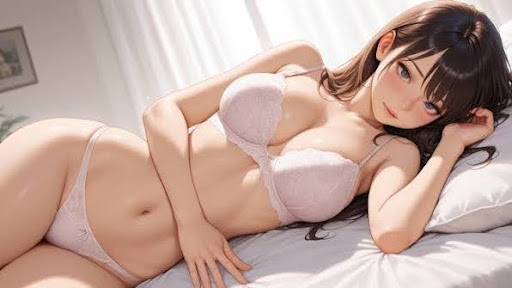
Discover how AI is transforming anime-inspired art. From starting with questions to using color and lighting, learn how to create stunning visuals with generative AI.
### The Old Way vs. The New Way
Creating anime-inspired visuals used to be a slow, meticulous process. You'd start with a rough idea, then spend countless hours refining the character design, composition, and overall aesthetic before even thinking about the final artwork. It was all about control and precision.
But generative AI has flipped that approach on its head. Instead of locking in every detail upfront, you can now let the platform generate multiple visual options based on your initial input. It's like having a brainstorming session with a super-fast artist who never sleeps.
### Start With a Question, Not an Answer
Here's a mindset shift: don't ask what the final image should look like. Ask a question instead.
- What would this character look like in a different environment?
- How would the same setting appear at another time of day?
- What happens when you combine a specific visual style with a completely different atmosphere?
These questions open doors to experimentation. AI turns those possibilities into visual references that help you decide where to take the concept next. It's a back-and-forth that feels more like a conversation than a command.
### Build the Setting Before the Scene
The environment sets the tone for everything else. Whether it's a futuristic neighborhood, a mystery-filled underground facility, a fantasy landscape, or a quiet coastal village, the setting influences how characters and objects are perceived.
Once you've established the environment, you can develop the people, items, and events that populate it. This approach creates a more cohesive and visually pleasing concept because everything is rooted in the initial setting.
### Use Color to Establish Emotion
Color is a powerful tool for evoking feelings. Warm tones create a welcoming mood, while cool tones feel distant or mysterious. High contrast is intense; soft colors are calming.
AI lets you test multiple color combinations quickly. You can see how the same concept looks with different palettes and choose the one that best fits your vision.
### Let Lighting Change the Story
Lighting can transform a mundane setting into something extraordinary. Daylight, twilight, artificial light, shadows—each creates a different interpretation of the same scene.
By adjusting lighting, you can show how the mood evolves without changing other elements. It's a subtle way to add depth to your storytelling.
### Design Characters Around Their Roles
Visual design helps viewers understand who a character is. Clothing, accessories, posture, facial expression—all these elements communicate a character's role.
For example, just from the costume, you can tell if someone is an explorer, a student, a businessperson, a traveler, or a leader. AI can help you iterate on these details until they feel just right.
### Create Contrast Between Characters
Characters don't need to look alike. In fact, contrast makes them more memorable. Differences in clothing, color, personality, posture, and presentation style help each character stand out.
Contrast also highlights relationships and dynamics. A calm, composed character next to a fiery, impulsive one tells a story without a single word.
> "AI doesn't replace the artist; it amplifies their creativity. The real magic happens when human intuition meets machine efficiency."
### The Bottom Line
Generative AI is redefining anime-inspired visual creation by making the process more flexible and exploratory. It allows creators to ask questions, test ideas, and refine concepts in ways that were never possible before.
Whether you're a seasoned artist or just starting out, these tools can help you bring your vision to life faster and more vividly. So why not start with a question and see where AI takes you?